Note reading practice for your students
Make a level with exactly the notes you’re teaching this week, send the link, and your students drill them at home on any phone or computer. Free, and students don’t need an account.
 Try a level as a student would →
A note appears: tap its name. 60 seconds, free, no signup.
Make a level for this week’s notes
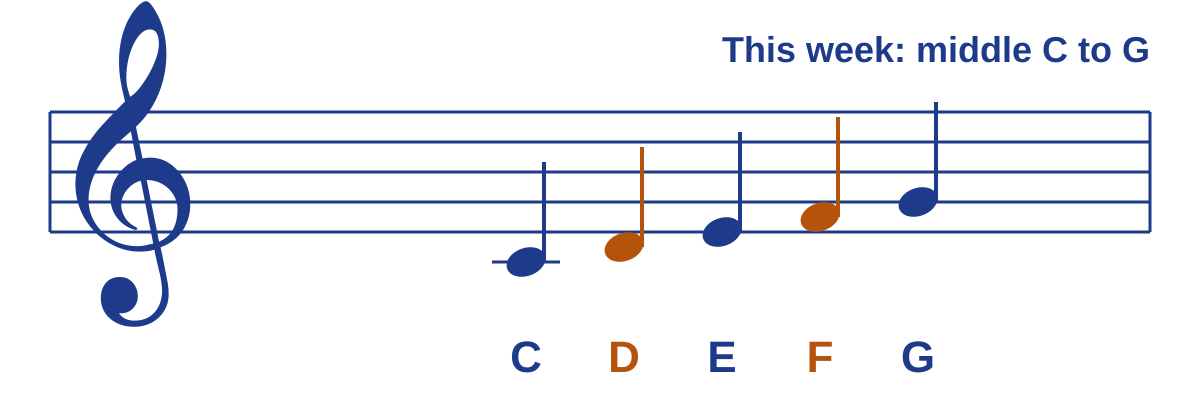
On the ClefHero home screen, choose “Make your own level”. Pick the clef (treble, bass, alto or tenor) and either a preset range or Custom with your own lowest and highest note, such as middle C to G for a first-year pianist. You can add sharps, flats or both, and make a round last 30, 60 or 90 seconds.
You also choose how students answer: buttons with the note names, or keys on an on-screen piano, and whether the names are letters (C D E), solfège (do re mi), numbers, sargam or sol-fa. Students can switch either one during a round if they prefer.
Share it as homework
Sign in with Google and tap share on your level to get a link. Paste it into your studio email, group chat or learning platform. Anyone who opens it can play straight away: students don’t need to sign in, install anything or give an email address.
If you change the level later, the same link plays the new version, so one link per student or class can last the whole term. Students who sign in can save it to their Shared Levels.
What students see
One note at a time, on the staff, until the round ends. A wrong answer means trying again until they find the right note, so nobody moves on with a mistake. At the end they see their accuracy, their speed and the notes they missed most.
Scores stay on the student’s device; ClefHero doesn’t send them to you. Ask students to bring their accuracy and their most-missed note to the next lesson. That’s often the note to work on together.
Ready-made levels
Not every week needs a custom level. Built-in levels cover the treble clef and bass clef staves, ledger lines, and the alto and tenor clefs for violists, cellists, bassoonists and trombonists. Students new to the staff can start with how to read sheet music notes.
Try a level as a student would →